What Homeowners Need to Know About Shingle Warranties
Recently, I was watching a video from Roofing Insights featuring Demetrius that raised an important issue many homeowners rarely think about until it is too late. The video told the story of a homeowner who installed what she believed was a 30-year asphalt shingle roof. Fifteen years later, the roof had deteriorated to the point of needing full replacement.
She filed a warranty claim with the manufacturer. The claim was approved. The settlement check was approximately $2,000.
The estimate to replace the roof? Around $20,000.
While this situation may sound extreme, it highlights a widespread misunderstanding about how roofing warranties actually work.
The Marketing of “30-Year” and “Lifetime” Shingles
Over the past decade, shingle manufacturers have increasingly promoted 30-year, 40-year, 50-year, and even “lifetime” shingles. The terminology sounds reassuring. It implies durability, security, and long-term peace of mind.
However, the fine print tells a different story.
Most asphalt shingles, especially in demanding climates like Florida, realistically perform in the 15–20 year range without proactive maintenance. Intense UV exposure, high humidity, heavy rains, and storm activity accelerate the drying and aging process. Based on field experience and condition patterns seen during inspections, this shortened lifespan is far more common than the advertised numbers suggest
That does not mean shingles are defective. It means expectations must be grounded in reality.
Understanding Prorated Warranties
In the case from the video, the shingles were labeled as 30-year shingles. They failed at year 15. The manufacturer honored the warranty by prorating it. In simple terms, because the roof lasted roughly half of its “rated” lifespan, the homeowner received approximately half of the material value.
- What was not covered?
- Labor to remove the old roof.
- Labor to install the new one.
- Disposal fees.
- Upgraded ventilation.
- Rising material costs.
Most shingle warranties, after an initial non-prorated period, only cover materials — and even then, at a reduced value over time. Legally, the manufacturer likely fulfilled the written agreement. Practically speaking, the homeowner still faced the overwhelming majority of the replacement cost.
That is the distinction homeowners need to understand: a warranty is not the same thing as full financial protection.
The Ventilation Factor
Another important detail in this case involved ventilation. Years after installation, it was acknowledged that the original roof may not have had adequate ventilation. The new replacement estimate included upgraded ventilation systems.
If proper ventilation was required now, it raises the question of why it was not fully addressed during the original installation. Inadequate ventilation can contribute to excessive heat buildup in the attic, accelerating shingle deterioration. When ventilation issues exist, responsibility may fall on the installer rather than the manufacturer.
These situations often become complicated. Manufacturers may attribute failure to installation issues. Contractors may point to product formulation concerns. Meanwhile, the homeowner is left trying to navigate the middle ground.
The Larger Lesson for Homeowners
The most important takeaway is not about assigning blame. It is about setting realistic expectations.
When purchasing a roof, homeowners should ask:
- What is the realistic lifespan in my specific climate?
- Exactly what does the warranty cover?
- Is it prorated?
- Does it include labor?
- Is ventilation properly designed and installed?
- What maintenance plan will protect the roof long term?
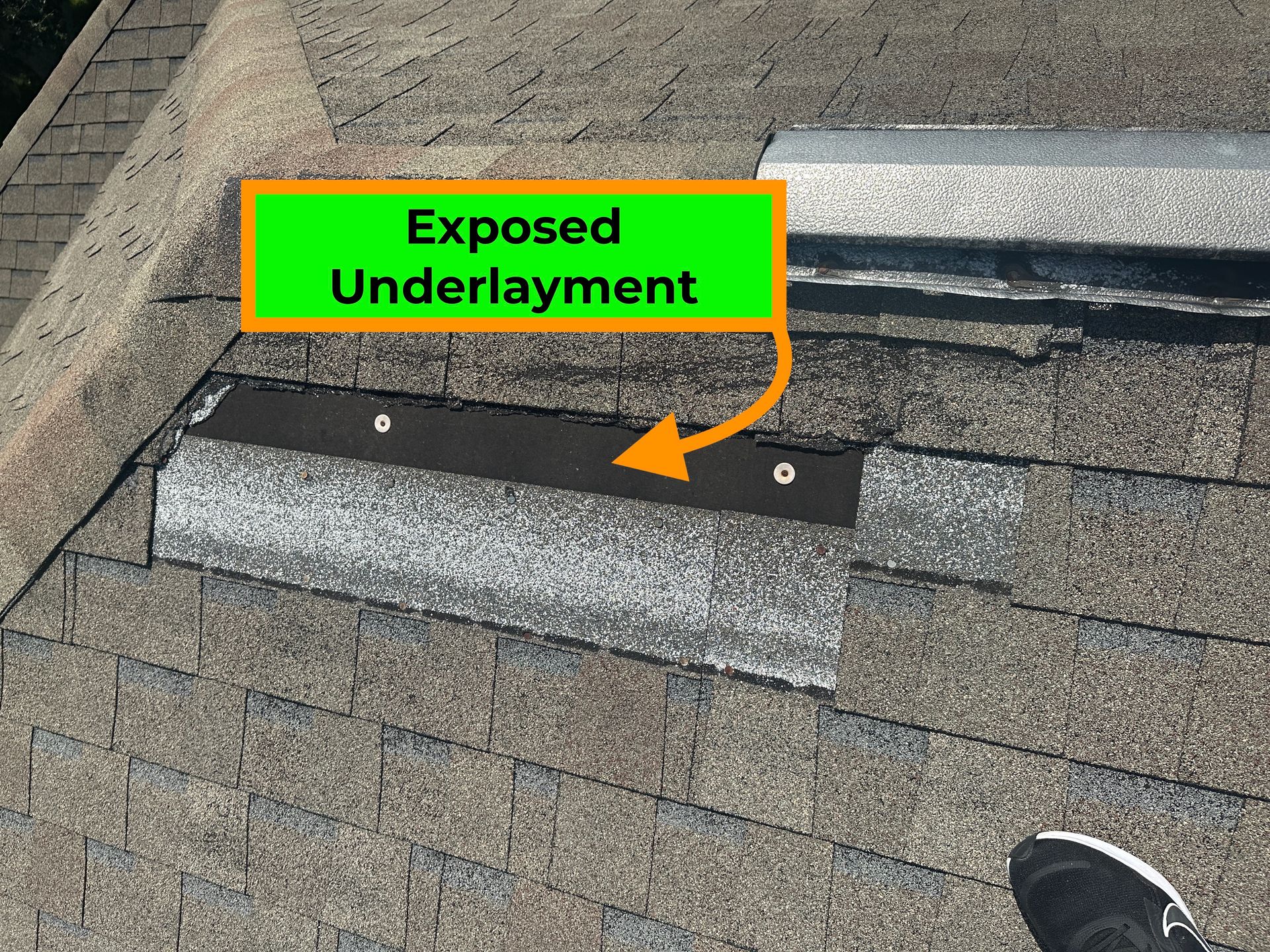
Many premature roof failures show warning signs well before complete breakdown. Granule loss, drying, brittleness, and minor leaks can often be addressed early through regular inspections and maintenance
Preventative care is far less costly than full replacement.
A Proactive Alternative: Shingle Rejuvenation
One of the least understood aspects of asphalt roofing is that shingles age primarily because they lose their natural oils. Over time, sun exposure and heat cause those oils to evaporate. As shingles dry out, they become brittle, lose flexibility, shed granules, and become more vulnerable to cracking and water intrusion.
Rejuvenation directly addresses that root cause.
Asphalt shingle rejuvenation replenishes the lost oils within the shingle structure. This restores flexibility, improves water-shedding performance, and enhances appearance by bringing back a darker, more consistent color. More importantly, it adds a layer of protection that warranties alone cannot provide.
A warranty responds after failure.
Rejuvenation works to prevent failure.
For roofs in the 5–15 year range that are still structurally sound, rejuvenation can meaningfully extend usable life and delay the enormous expense of replacement.
Schedule a Free Inspection
If your roof is between five and fifteen years old, it may not need replacement. It may simply be drying out.
The most responsible first step is a professional inspection. During a free inspection, we evaluate whether your roof qualifies for asphalt shingle rejuvenation and determine whether replenishing lost oils can restore flexibility and extend its lifespan.
Do not wait until you are filing a prorated warranty claim years from now. Take control of your roof’s condition today.
Schedule your free inspection for asphalt shingle rejuvenation and discover whether your roof can be restored, protected, and extended — rather than replaced.
A well-informed decision today can prevent a costly surprise tomorrow.
Share This Page